
 Forests & land
Berau, East Kalimantan
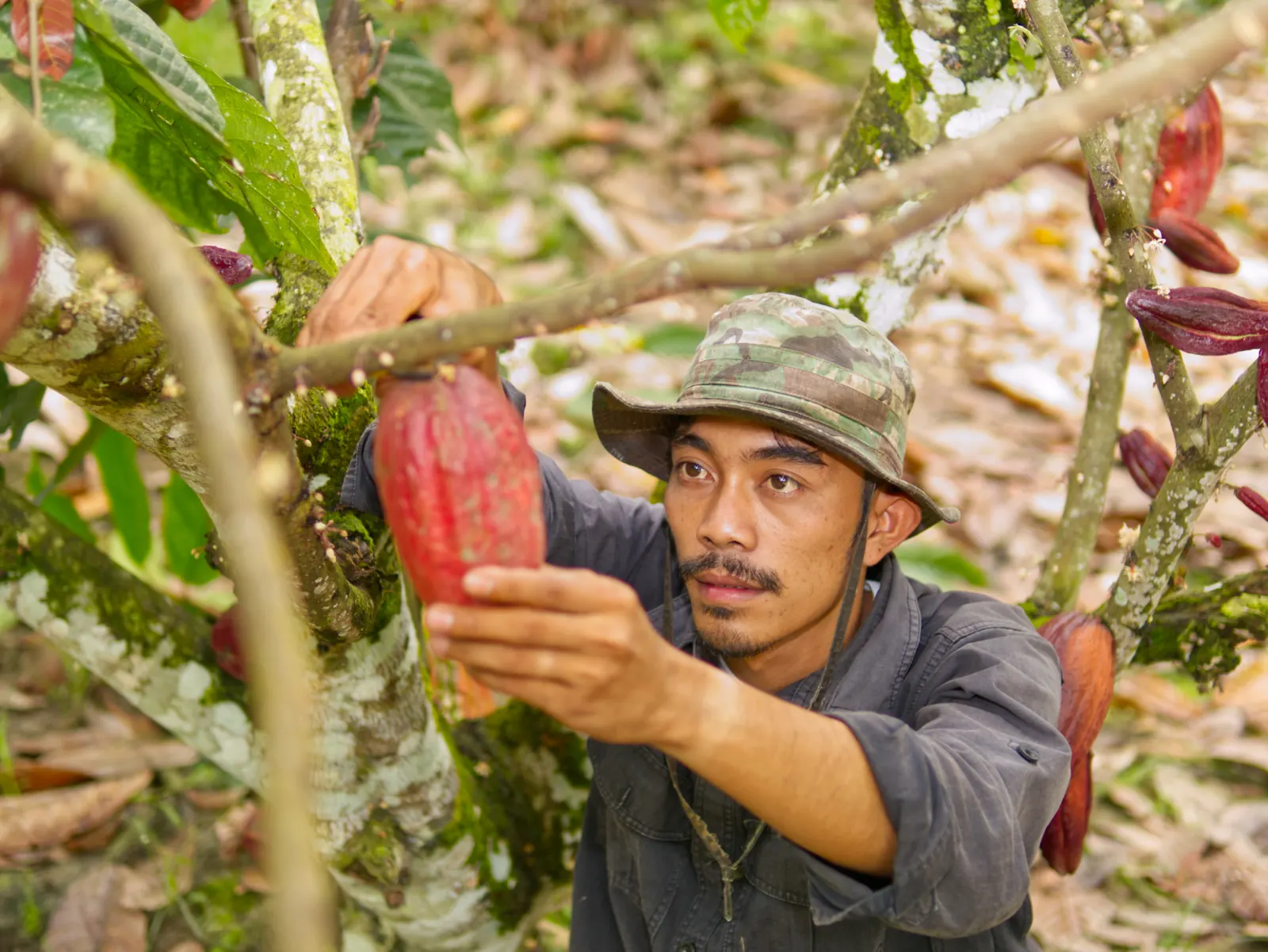
Cocoa, Forests & Livelihoods
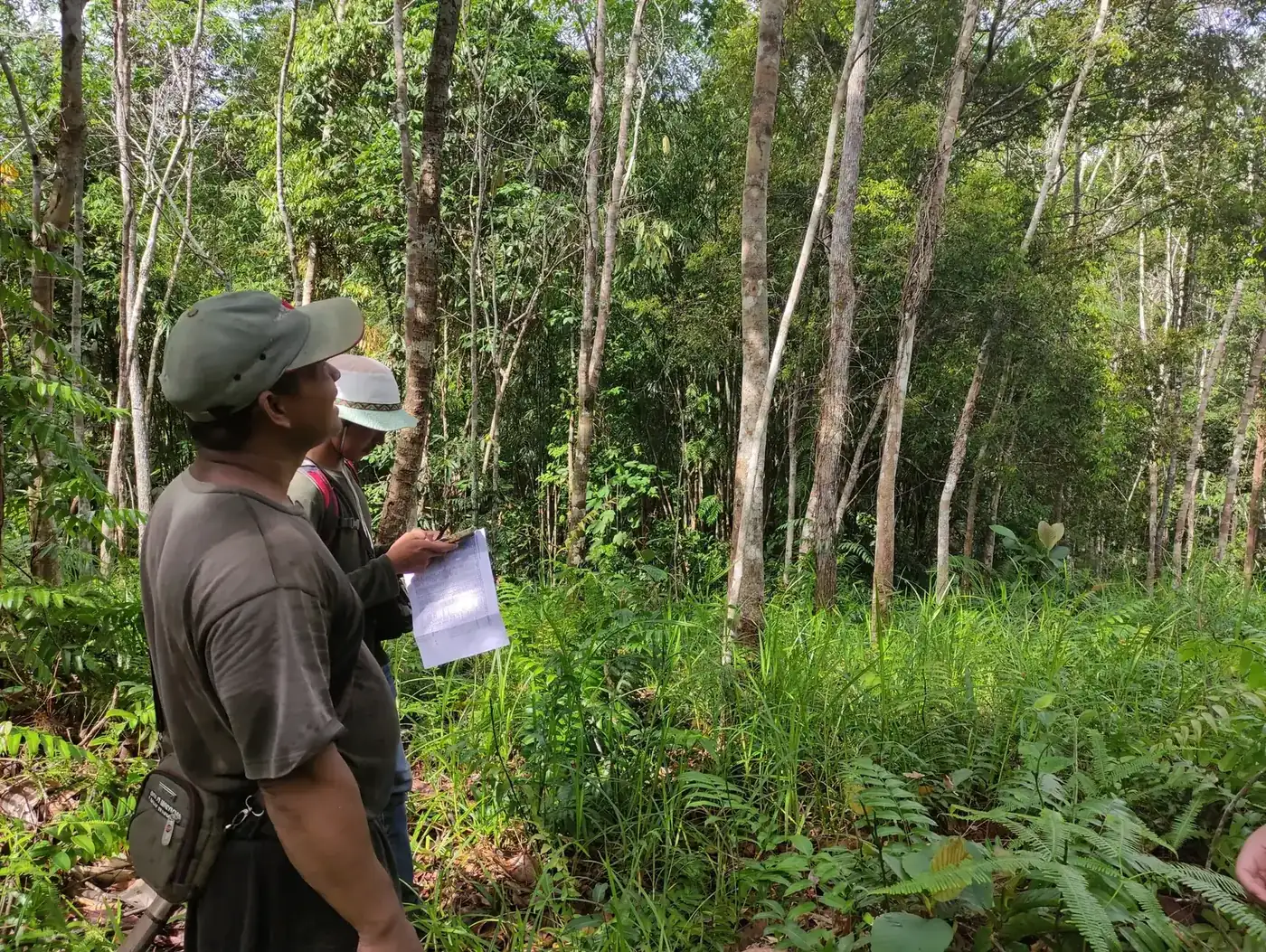
A 12-month programme with cocoa-farming families: training, coaching, local trainers and agroforestry demonstration plots in villages bordering forest.
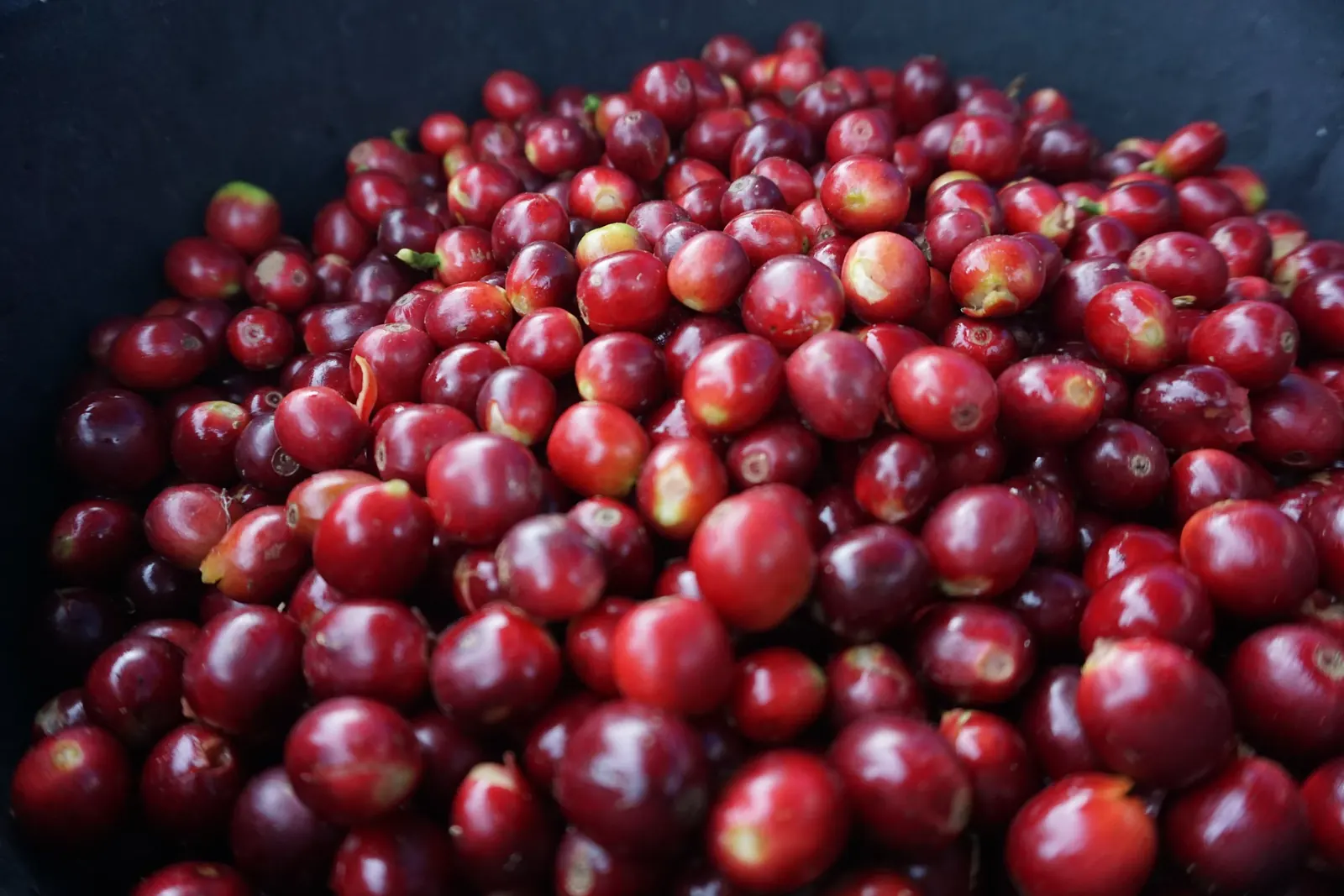
Caring for coffee under forest shade, picking only ripe cherries and growing food on household land. Programme target: 200 coffee-farming households.
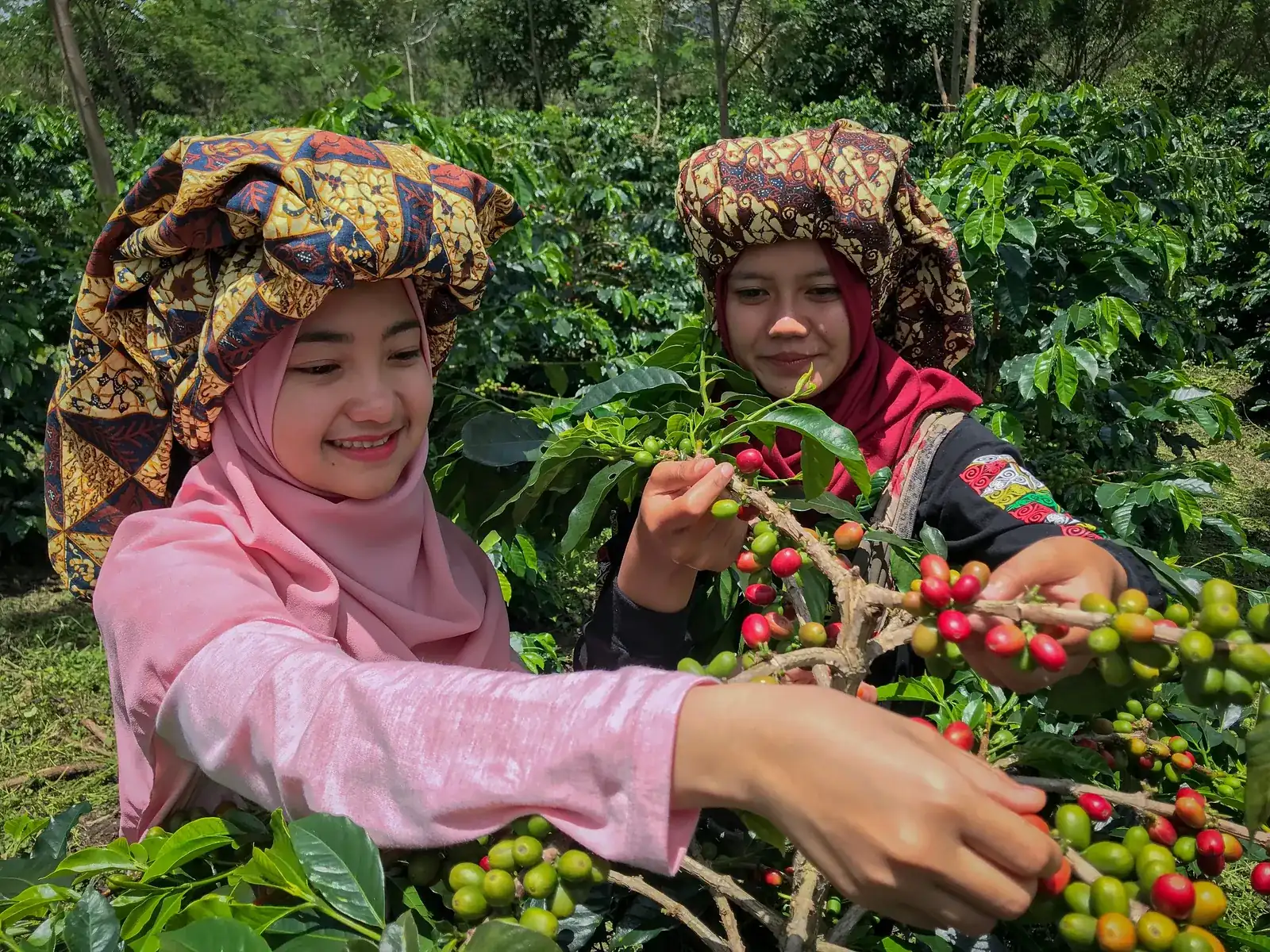
Much of Bajawa's coffee grows under forest canopy at low density with limited care. Pruning is rare, red and green cherries are often picked together, and some household farmland lies unused. For forests to be protected, standing forest needs to give families economic, food and cultural reasons to keep it.
Improve the quality and yield of existing coffee without clearing forest, while adding food variety from lawful household farmland.
A target of 200 coffee-farming households, at least 25 women participants, and 30 households piloting food gardens.
Needs, villages and sites are confirmed with farmers, women, customary leaders and landholders.
Practice on farmers' plots follows the season: prune, care for soil, watch for pests, then harvest.
Thirty households plan food gardens; two learning plots serve as shared practice sites.
Lessons from 200 households guide a further phase where land, funding and market capacity allow.
These are the things assessed during the programme, not verified results. Results are reported after delivery and checks.
 Forests & land
A 12-month programme with cocoa-farming families: training, coaching, local trainers and agroforestry demonstration plots in villages bordering forest.
 Forests & land
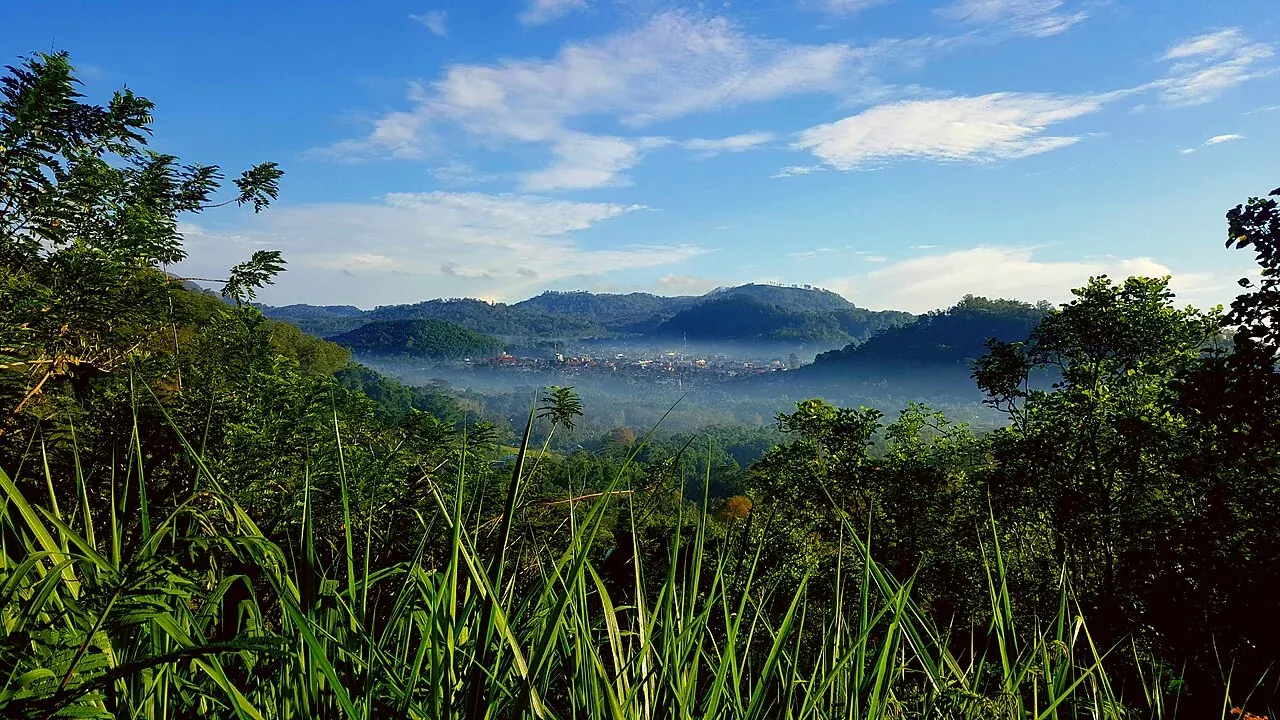
Forest communities earn from manau rattan, honey, palm sap and other non-timber forest products, and agree rules to protect the forest and its springs.
Tell us the goal and the area. We will come back with first questions for an assessment and a split of roles.