
01
Approach noteAfter training, change starts at home and on the farm
Why repeat visits and simple plans help knowledge become habit.
Choosing crops, space and stages so the garden can be maintained and its harvest is actually used.
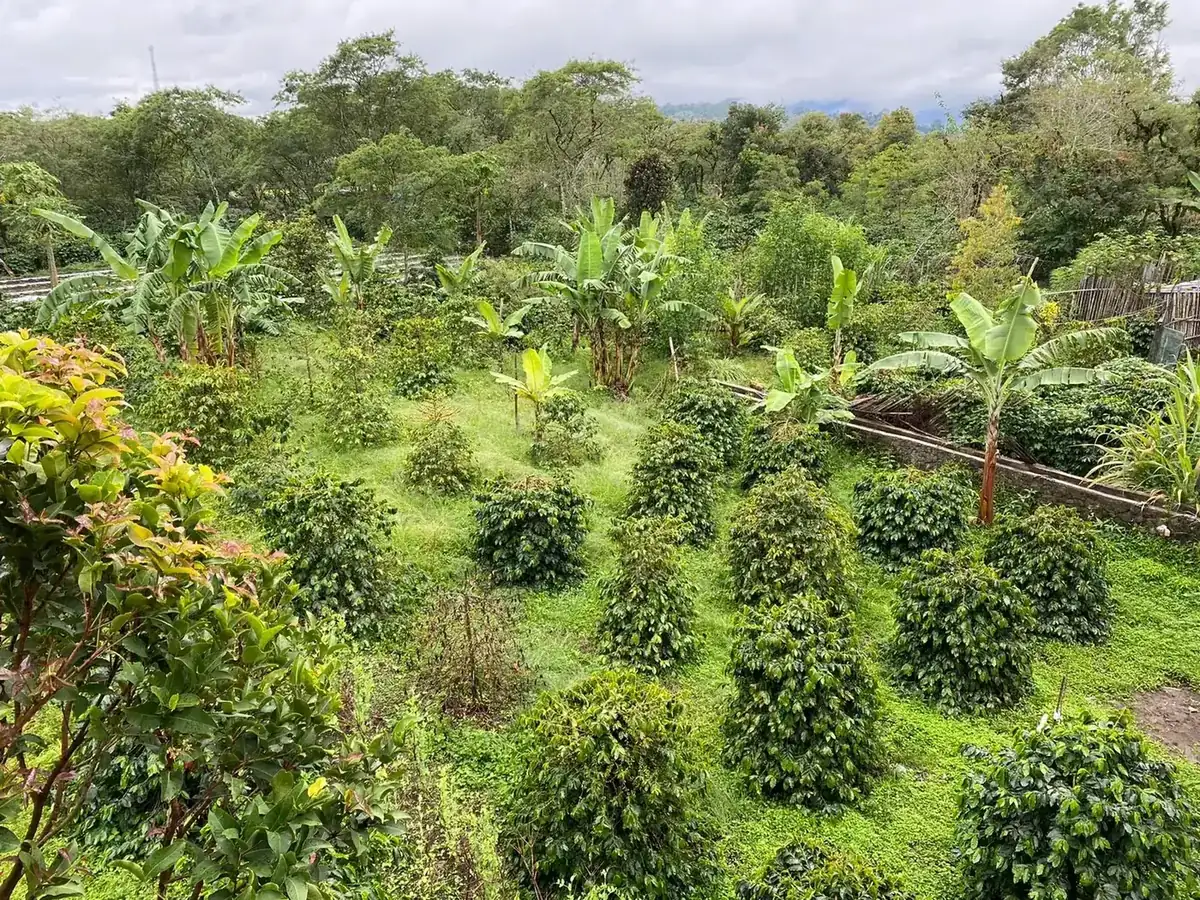
Food-garden design often starts with a list of crops. In the Satisfarm approach, the first conversation is about the family: what they eat, what they regularly buy, who will look after the garden and when they have time. The answers set the garden's purpose before any crop is chosen.
Next comes reading the site. Light, water, soil type, slope and mature canopy size all shape the space. Perennials, food crops, spices and ground cover can be combined, but more species do not automatically make a garden easier to manage. How species interact and what they need must be considered.
A garden can start small and close to daily routines. Families pick a few familiar crops that suit the site and will actually be used. Simple records show planting, care, harvest and how much is eaten. Once a routine forms, more crops or area can be added.
Harvests can be eaten, shared or sold when there is surplus that meets market needs. Recording these uses shows the garden's value. Sales alone do not capture the whole benefit, and food eaten at home should be read alongside costs and labour.
Livestock or ponds come in when feed, water, space, a caretaker and upkeep costs allow. Land with a risky history needs a specific assessment before food production becomes a goal.
Hasbi leads learning and community support, while Satisfarm supports land diagnosis and design. A useful garden grows from shared decisions, regular upkeep and adjustments based on experience.
Back to insights
Why repeat visits and simple plans help knowledge become habit.
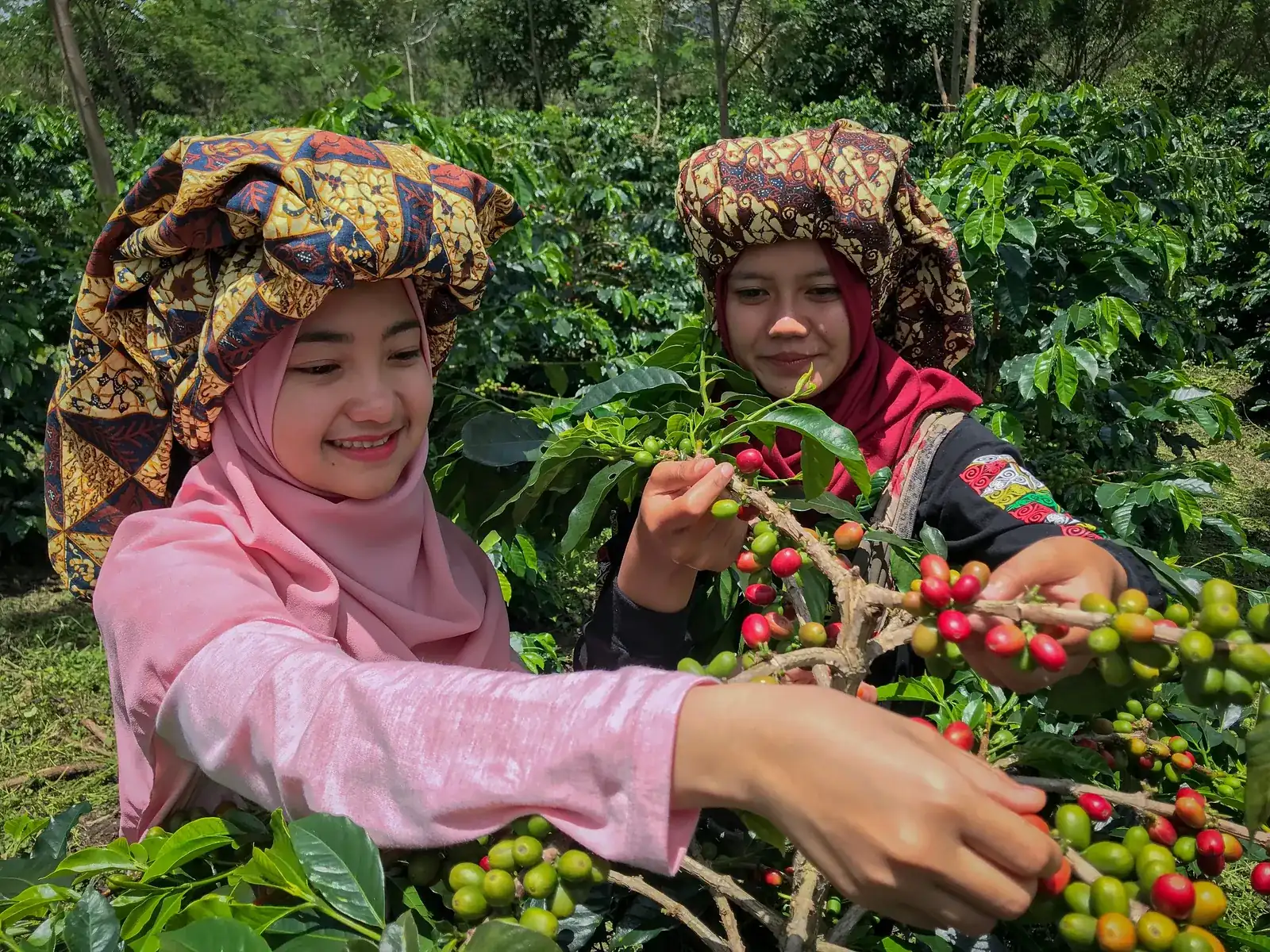
Coffee care, harvest quality and family food choices discussed as one.
Tell us the goal and the area. We will come back with first questions for an assessment and a split of roles.