
01
Approach noteProtecting forests through coffee value and family life
Coffee care, harvest quality and family food choices discussed as one.
Why repeat visits and simple plans help knowledge become habit.
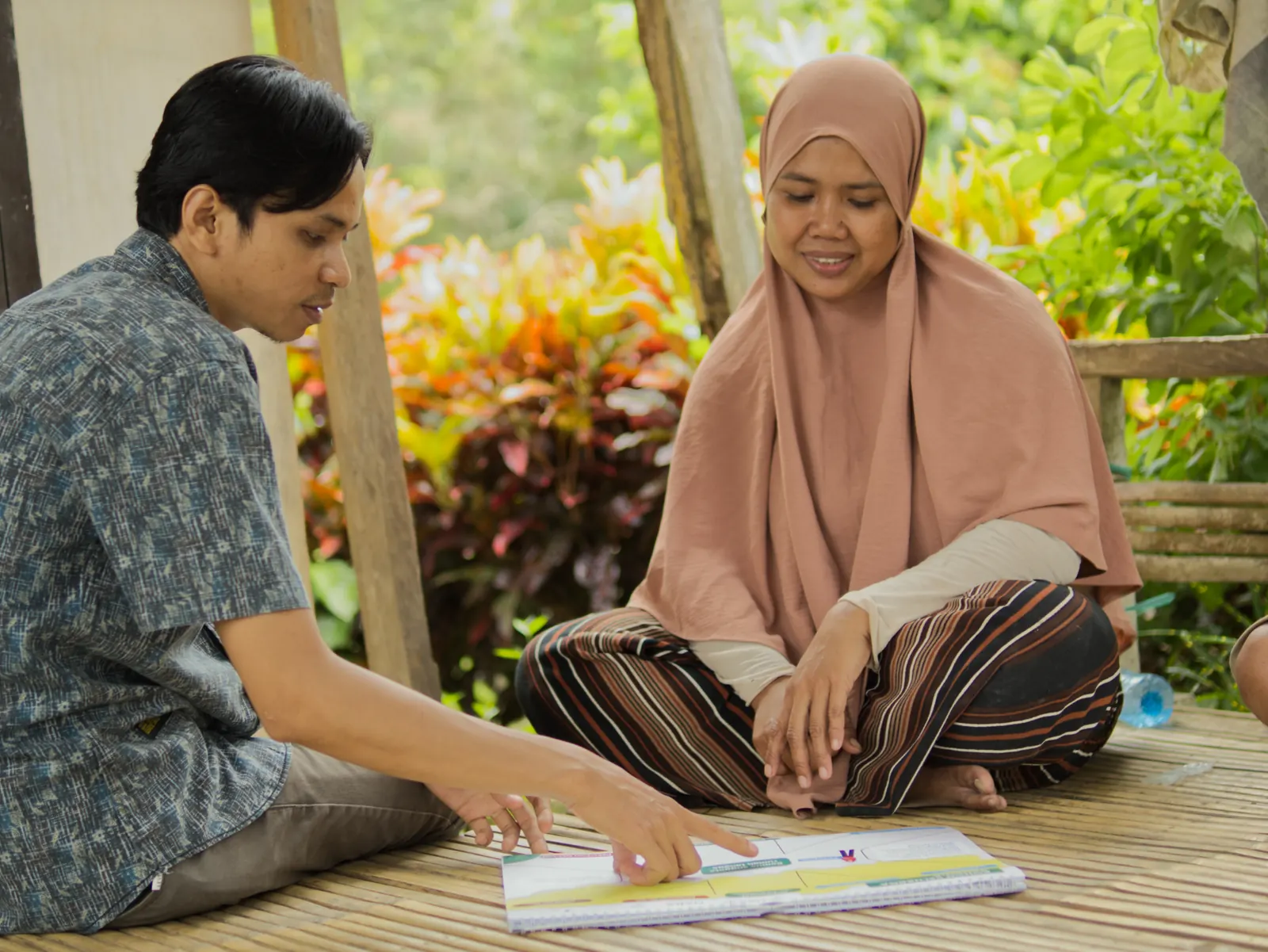
Training creates space to learn something new, exchange experience and try a skill. Back on the farm or in the production kitchen, every household faces different conditions: limited time, different tools, and business decisions that involve several family members. That is where one-to-one coaching comes in.
In the Farmer First approach, a visit starts with listening. What gets in the way of the household's work? What have they already tried? The coach and family then choose two or three sensible priorities. A simple plan records the action, who is responsible, when, and how progress will be checked.
A coconut-sugar household might start with one sap-handling habit and one cost record. The coach demonstrates the step, then watches how the family applies it with the tools and time they have. At the next visit they review the record and the experience together. Steps that prove too hard are simplified; complex technical questions go to a specialist.
Local coaches matter because they know the language, the seasons and community life. They need facilitation practice, technical mentoring, a realistic workload and operating support. Their success shows in the quality of support and in families' ability to carry out agreed actions, not just in the number of visits logged.
Women processors, tappers, tenant farmers and other family members need to be part of conversations that affect their work. Timing and materials are adjusted so they can take part, and new tasks are reviewed together so the extra work does not fall on one person.
Good monitoring links training, practice and benefit. Attendance shows reach. Evidence of use shows a change in how work is done. Understanding economic or food benefits still means comparing output, costs, time and seasonal conditions. Coaching keeps that chain going: learn, try, review, improve.
Back to insights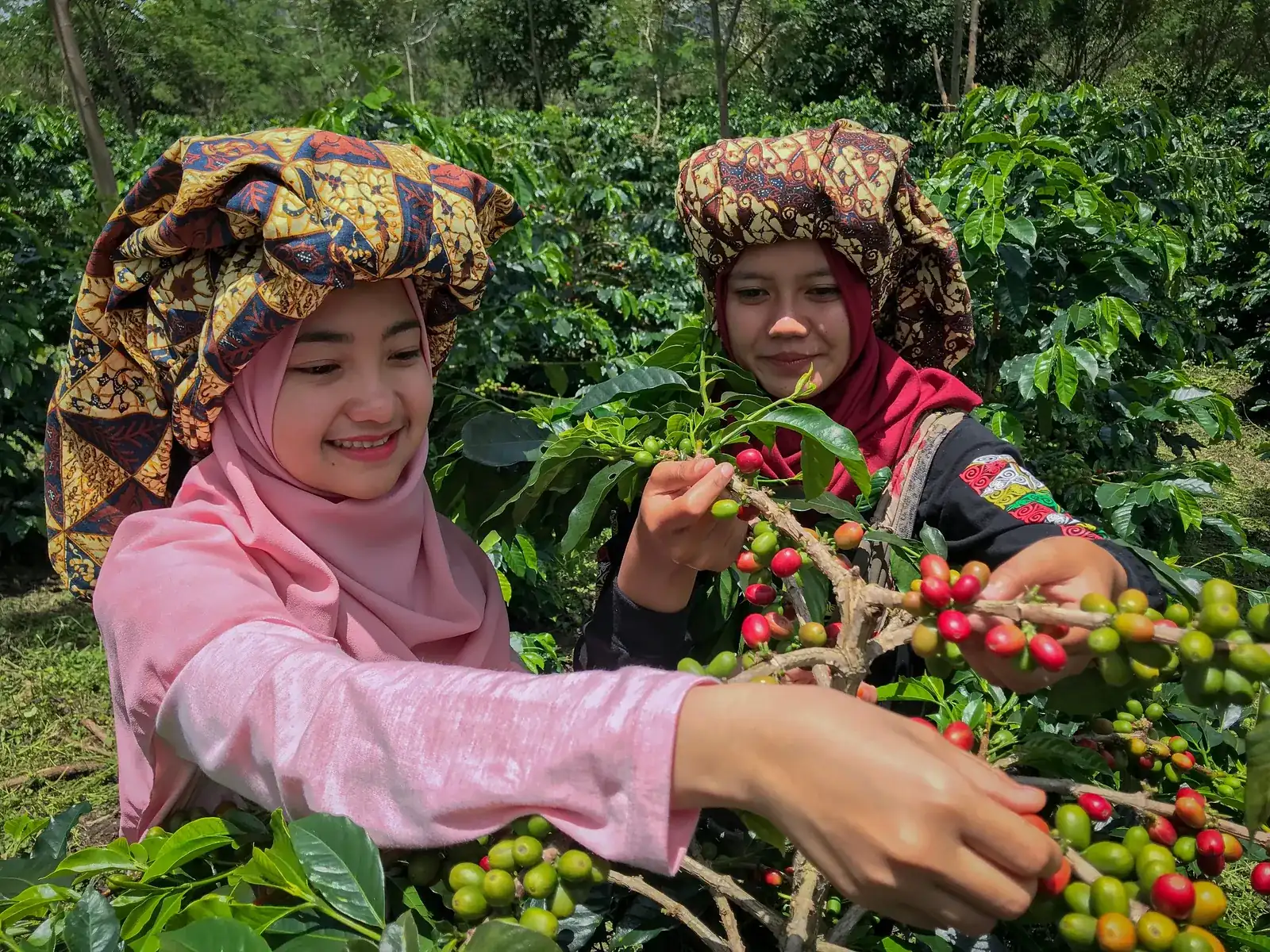
Coffee care, harvest quality and family food choices discussed as one.
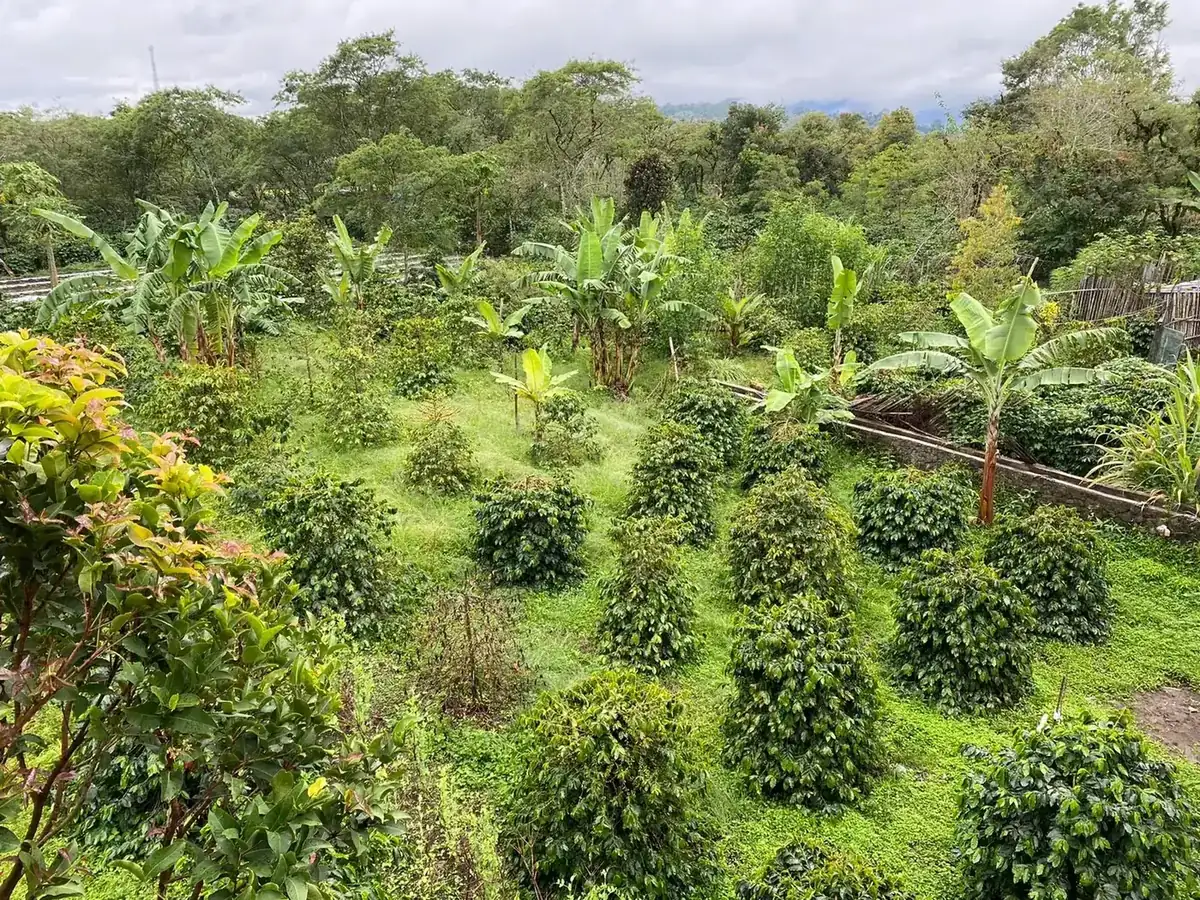
Choosing crops, space and stages so the garden can be maintained and its harvest is actually used.
Tell us the goal and the area. We will come back with first questions for an assessment and a split of roles.