
01
Approach noteAfter training, change starts at home and on the farm
Why repeat visits and simple plans help knowledge become habit.
Coffee care, harvest quality and family food choices discussed as one.
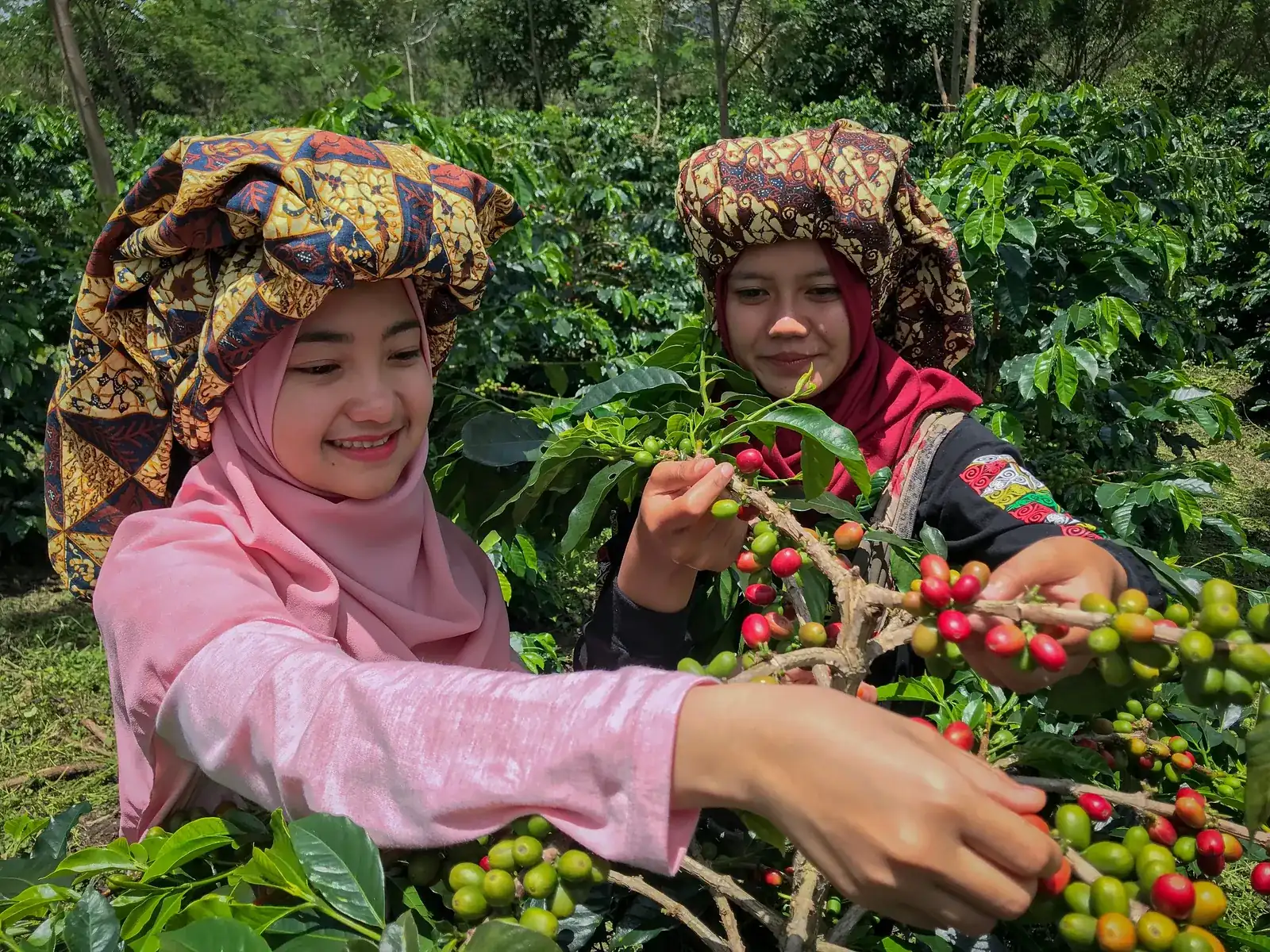
For families growing coffee under forest shade, the farm is tied to land, food, local knowledge and custom. A programme needs to understand those ties before deciding what to do.
The Bajawa forest-coffee initiative links two spaces. For coffee already growing under shade, learning focuses on simple care and harvest quality while keeping the habitat. On underused household farmland, the programme prepares food gardens and agroforestry once land condition and rights have been checked.
Technical support starts with actions people can practise: reading the plant's condition, planning pruning, caring for soil, watching for pests and picking ripe cherries. Practices are chosen for each farm so farmers understand the reasons and can review results with their coach.
Quality is also discussed across the trading relationship. Farmers need to know what buyers want, how it is assessed and the terms of sale. Buyer feedback helps families improve the next step. Better quality does not automatically guarantee a given price or income, so the relationship has to be open.
Food gardens complete the livelihood picture. Families look at the food they often buy, the space available, water and time for care. Crops are added step by step. Development is directed to suitable farmland, while natural forest keeps its function.
We track more than participant or seedling numbers. The programme reviews practice, product quality, shade condition, food-garden upkeep and household decisions. That keeps forest protection and livelihoods in the same conversation, with field evidence as the basis for improving and expanding the work.
Back to insights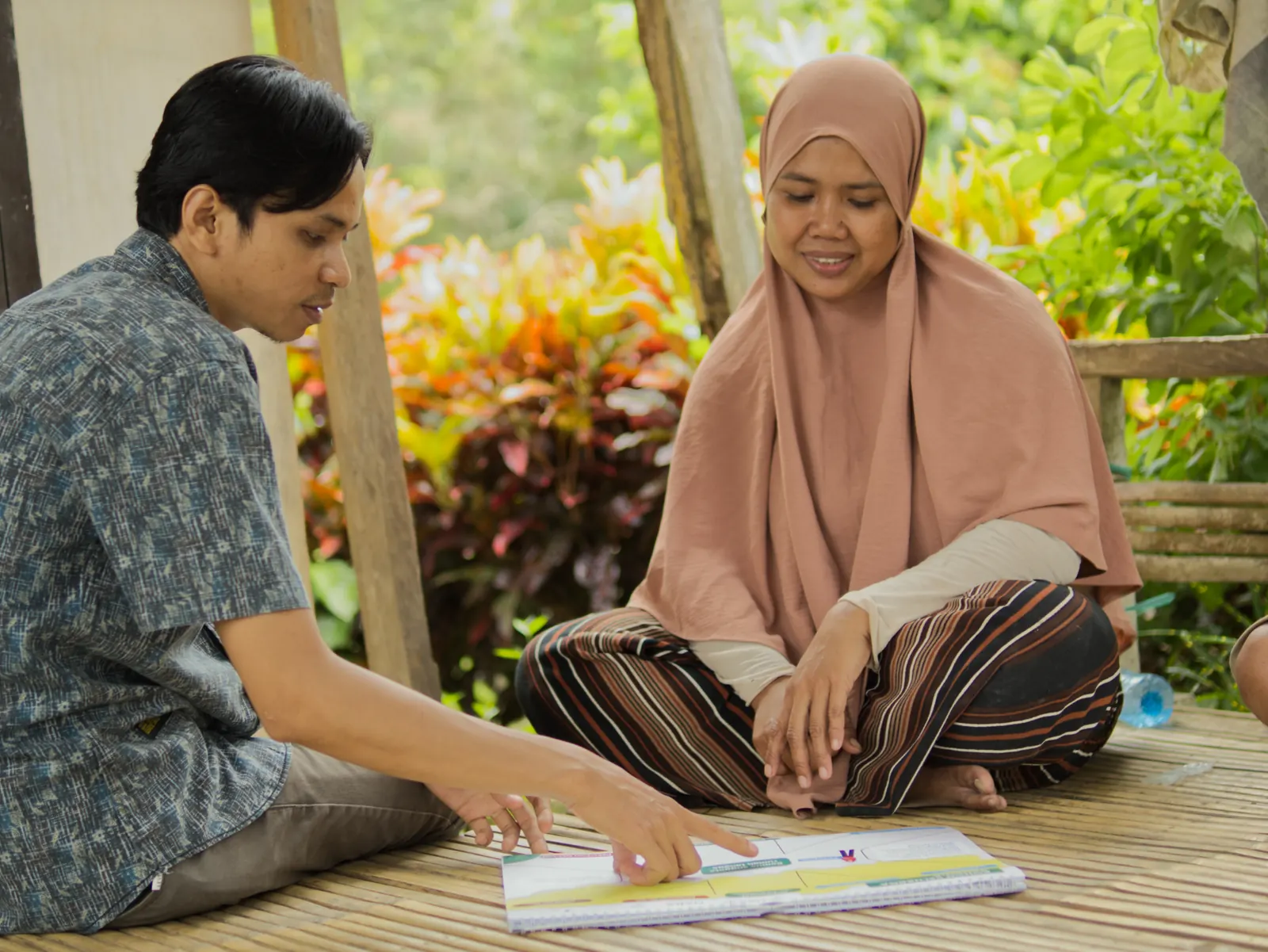
Why repeat visits and simple plans help knowledge become habit.
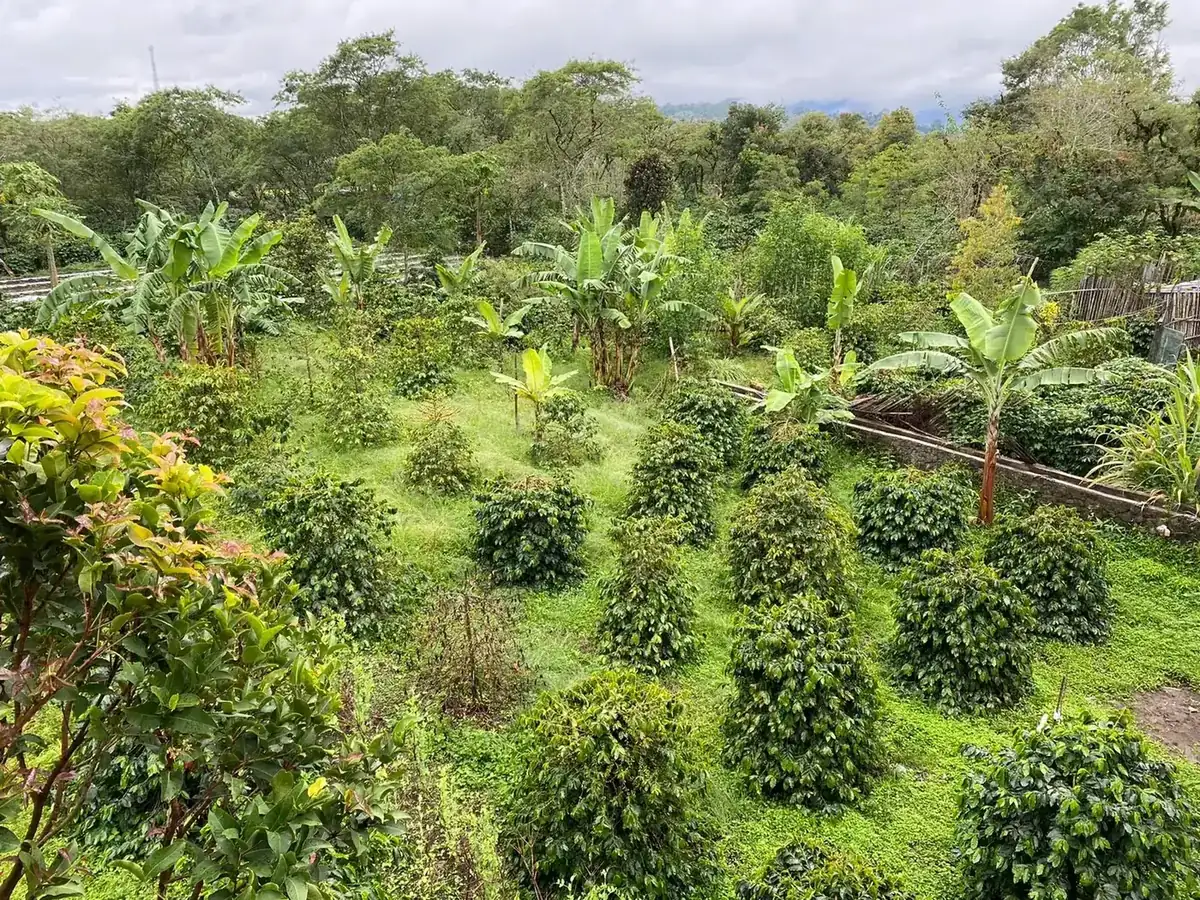
Choosing crops, space and stages so the garden can be maintained and its harvest is actually used.
Tell us the goal and the area. We will come back with first questions for an assessment and a split of roles.